
The Heart of Africa’s Wild Beauty

Serengeti National Park

Few places on Earth capture the imagination like Serengeti National Park. Known for its endless golden plains, extraordinary wildlife, and dramatic natural events, the Serengeti is widely regarded as one of the greatest safari destinations in the world. Covering nearly 15,000 square kilometers in northern Tanzania, this iconic park represents the true spirit of Africa’s wilderness.

The name Serengeti comes from the Maasai word “Siringet,” meaning endless plains — a perfect description of the vast landscapes that stretch beyond the horizon.

A Landscape Shaped by Nature

The Serengeti’s beauty lies in its diversity. While many imagine only open grasslands, the park features a remarkable variety of ecosystems:

  • Sweeping savannah plains

  • Rocky outcrops known as kopjes

  • Riverine forests and seasonal rivers

  • Woodlands and acacia-dotted valleys

These varied habitats support an extraordinary concentration of wildlife year-round, making every game drive unique.

Sunrise and sunset transform the plains into a canvas of gold, orange, and deep purple — moments that define the classic African safari experience.

The Great Wildebeest Migration

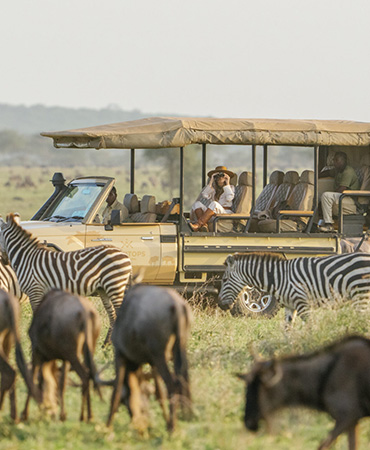
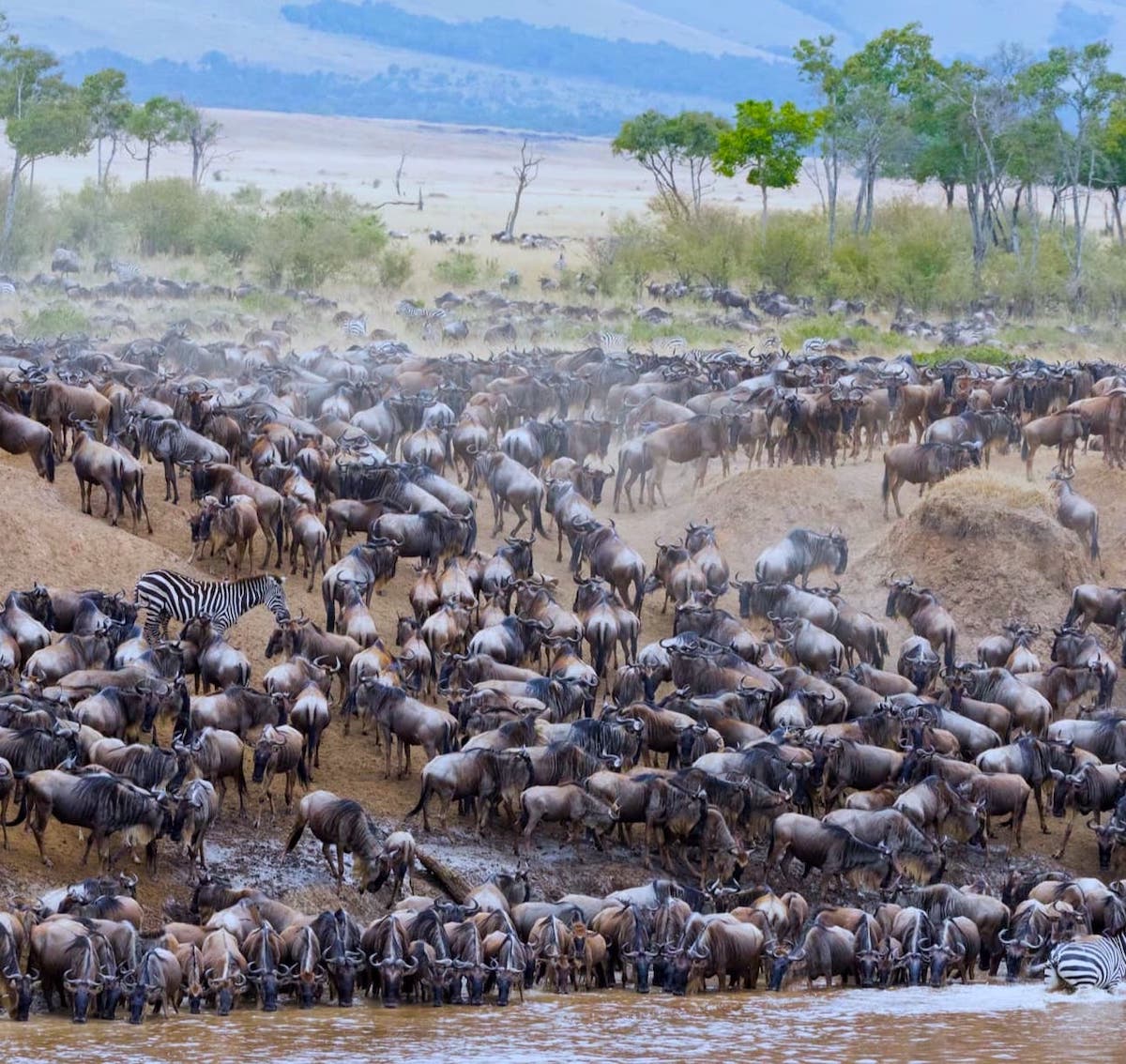
The Serengeti hosts one of the most spectacular natural events on the planet: the Great Wildebeest Migration. Each year, more than two million wildebeest, zebras, and gazelles move in a continuous cycle across the Serengeti ecosystem in search of fresh grazing.

This migration is not a single event but a year-round journey:

  • Calving Season (Jan–March): Thousands of newborns arrive daily on the southern plains.

  • Grumeti River Crossings (May–June): Herds move northward through central Serengeti.

  • Mara River Crossings (July–October): Dramatic crossings filled with predator action.

  • Return South (Nov–Dec): Herds follow seasonal rains back to the plains.

Witnessing the migration is often described as one of the greatest wildlife experiences on Earth.
Wildlife Beyond the Migration

While the migration draws global attention, the Serengeti offers exceptional wildlife viewing throughout the year.

The park is home to:

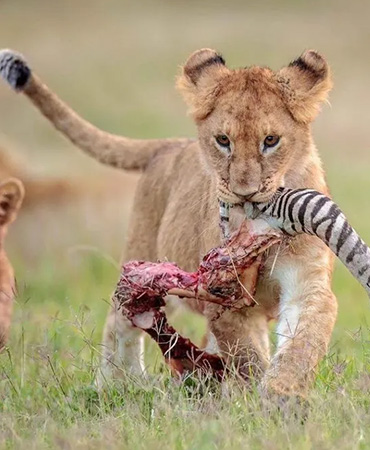
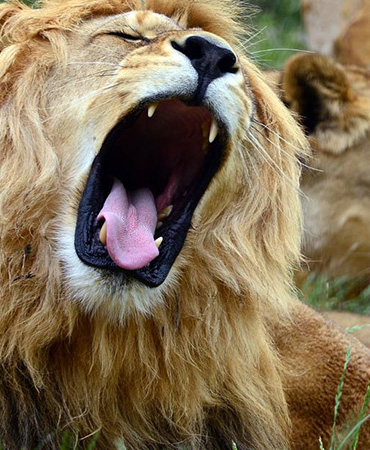
  • Large populations of lions one of Africa’s highest densities

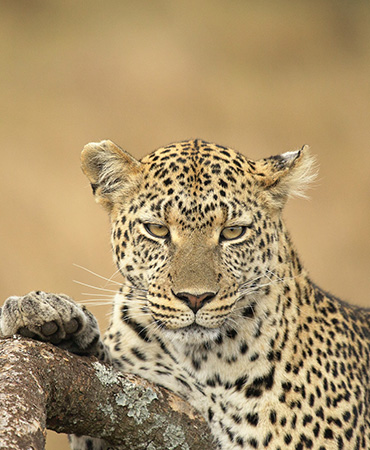
  • Leopards resting in riverine trees

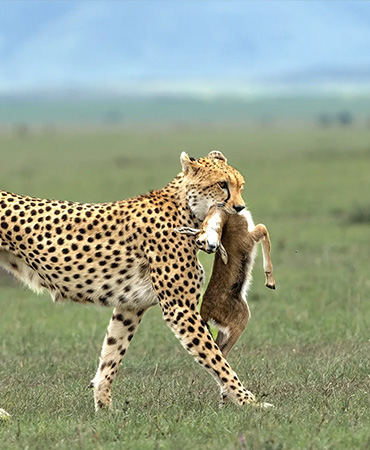
  • Cheetahs hunting across open plains

  • Elephants, giraffes, buffalo, and hyenas

  • Over 500 recorded bird species

Predator-prey interactions occur daily, offering incredible opportunities for photography and observation.


A UNESCO World Heritage Site

Recognized as a UNESCO World Heritage Site, the Serengeti remains one of the oldest and most intact ecosystems on the planet. Its ecological processes have remained largely unchanged for millions of years, allowing visitors to experience nature much as it has existed since ancient times.

Tanzania’s strong conservation efforts help protect this fragile ecosystem and ensure its survival for future generations.