The Greatest Show on Earth: A Guide to the Great Wildebeest Migration

Nature’s Greatest Wildlife Spectacle

Every year, the vast plains of northern Tanzania host one of the most extraordinary natural events on Earth — The Great Wildebeest Migration. Taking place across the iconic Serengeti ecosystem, this breathtaking journey involves over 1.5 million wildebeest, accompanied by hundreds of thousands of zebras and gazelles, moving in a continuous cycle in search of fresh grazing and water.

Often described as “The Greatest Show on Earth,” the migration is not a single event but a year-round movement driven by rainfall patterns and survival instincts. It is raw, dramatic, and deeply moving, a true testament to the power of nature.

The Migration Cycle: A Year-Round Journey

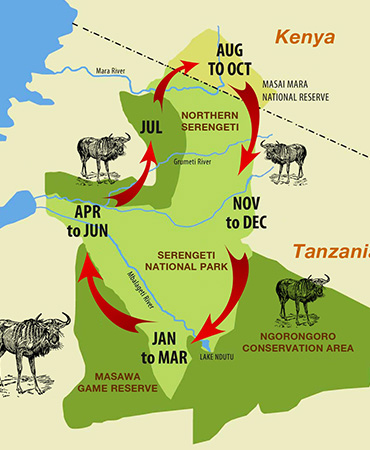
The migration follows a predictable yet ever-changing route through the Serengeti and into Kenya’s Maasai Mara before returning to Tanzania.

December – March: Calving Season (Southern Serengeti / Ndutu Plains)
This is a season of new life. Nearly half a million calves are born within a few weeks, attracting predators such as lions, cheetahs, and hyenas. Wildlife viewing is intense and dramatic, offering incredible photographic opportunities.

April – June: The Long Trek North
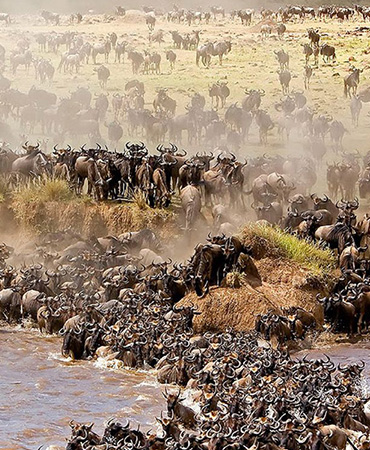
As the rains end, the herds begin moving northwest through the central Serengeti. Massive columns of wildebeest stretch across the plains in search of greener pastures.

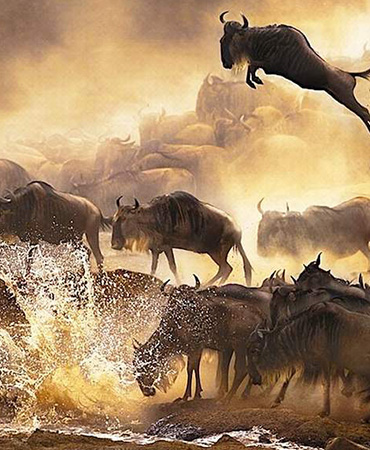
July – October: Mara River Crossings (Northern Serengeti)
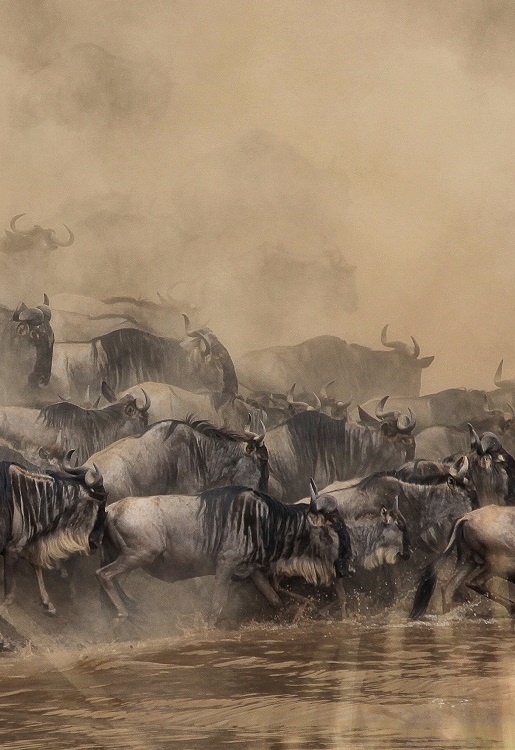
This is the most iconic and dramatic phase. Herds gather at the banks of the Mara River before making perilous crossings, facing strong currents and lurking crocodiles. It’s one of the most sought-after safari moments in Africa.

November: The Return South
With the arrival of short rains, the herds gradually make their way back toward the southern Serengeti, completing the cycle.

Why the Serengeti Is the Heart of the Migration

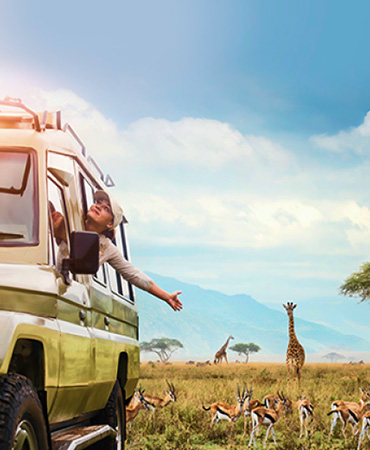
The Serengeti ecosystem provides the perfect stage for this phenomenon, vast open plains, seasonal rivers, and abundant wildlife. Beyond the migration, the park boasts one of the highest concentrations of predators in Africa, creating unmatched predator-prey interactions.

Visitors may witness:
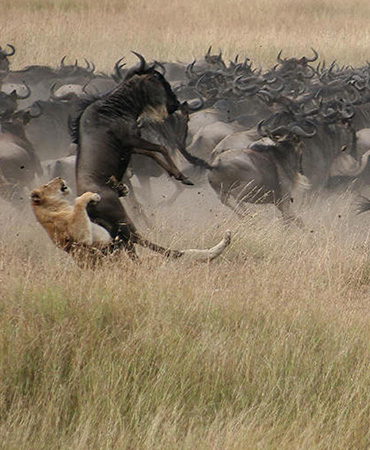
  • Lion prides stalking migrating herds

  • Cheetahs sprinting across open plains

  • Crocodiles waiting at river crossings

  • Hyenas and vultures cleaning up after dramatic hunts

Each day on safari brings a new and unpredictable scene.
When Is the Best Time to See the Migration?

The migration is present in Tanzania for most of the year. The “best time” depends on what you want to experience:

  • Calving & predator action: January – March

  • Large moving herds: May – June

  • Mara River crossings: July – October

With expert planning, travelers can position themselves in the right area at the right time.


Experiencing the Migration with Utele Safari

At Utele Safari, we design migration safari that follow the movement of the herds. Depending on the season, you may stay in carefully selected lodges or mobile tented camps positioned close to the action. Our experienced guides understand wildlife behavior and know how to maximize sightings while ensuring a comfortable and safe experience.

Whether you dream of witnessing a dramatic river crossing, photographing a newborn calf taking its first steps, or simply standing in awe as thousands of wildebeest move across the horizon, the Great Migration is a life-changing safari experience.